Top 10 Cake Base Tray Suppliers in China for Global Buyers

Time:2026-11-05 Author:Mason
0%

For global buyers, a reliable Cake Base Tray supplier must deliver more than an attractive product photo. The tray needs to support the cake, fit its packaging, and arrive with consistent dimensions. A few millimeters can matter when a bakery packs hundreds of cakes each week. Material, thickness, edge finish, color, and customization options all deserve careful review. So do sample quality, production capacity, lead times, and communication.

“Check the tray against the cake, the box, and the journey—not just the product image.” This is an illustrative editorial quote, not a verified statement from a named industry expert; a sourced expert attribution should be added before publication. That distinction matters. Trustworthy supplier comparisons should rest on verifiable specifications, sample inspections, and clear written quotations, rather than polished claims alone.

This guide introduces ten China-based suppliers for international buyers to evaluate. Their offerings may differ in materials, order quantities, customization, and export experience. Ask for drawings or samples, confirm tolerances, and clarify packing details before placing a large order. Check relevant product documentation for your intended market and application. A supplier may look convincing on paper. The first sample can still disappoint. That is worth admitting: supplier lists are starting points, not guarantees. The strongest choice is the one that meets your actual cake, tray, and shipping requirements consistently.
Top 10 Cake Base Tray Suppliers in China for Global Buyers

Understanding Cake Base Trays and Their Uses in the Baking Industry

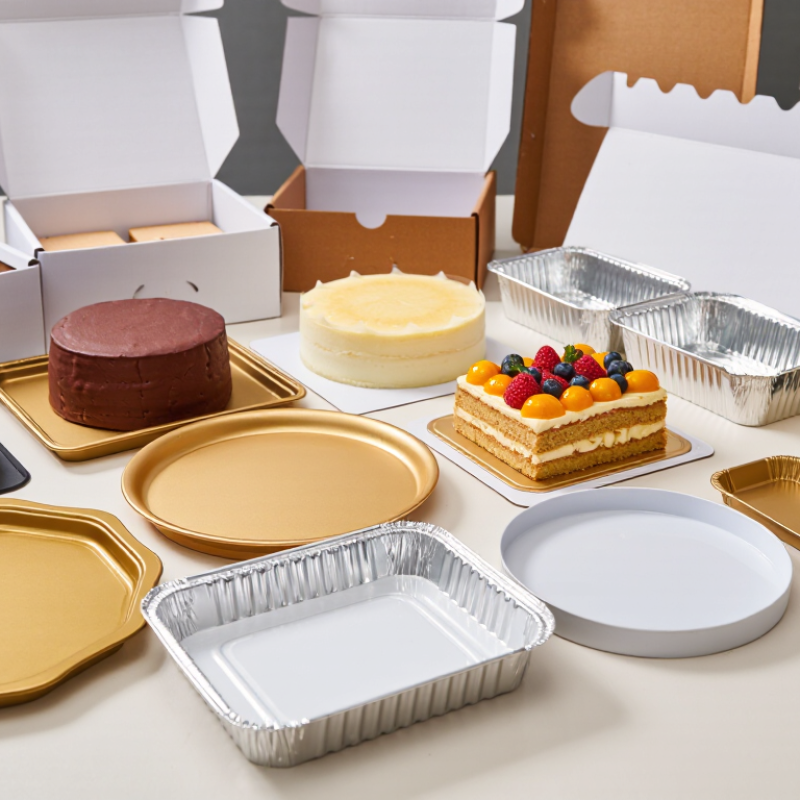
A cake base tray is the rigid support beneath a cake, not merely a decorative layer. It helps keep the cake level during assembly, display, and transport. Common options include paperboard, corrugated board, and food-contact plastic. The right choice depends on cake weight, moisture, and how far the cake must travel. A light sponge needs less support than a tall, layered cake.

In a bakery, trays also make handling more consistent. A smooth, coated surface can resist grease from buttercream, while a thicker board is less likely to bend when lifted. For example, a 10-inch cake may need a base wider than the cake itself, giving staff room to grip it. Small details matter. Edge finish and surface texture can affect both appearance and stability.

Buyers should check dimensions, load capacity, coating, and storage conditions with suppliers. Ask whether the tray is intended for direct food contact, and request samples before placing a large order. Then test it with a cake of similar weight and frosting. There is no universal best tray. A glossy finish may look polished but can show scratches, and a very rigid base may cost more than a simple order requires. These trade-offs deserve a practical trial.

Common Round Cake Base Tray Diameters

Round cake base trays are commonly offered in nominal 6–16 inch sizes. The chart converts those inch sizes to millimeters (1 inch = 25.4 mm). Choose a tray that provides enough room to support the cake and any decoration.

Key Factors for Selecting a Cake Base Tray Supplier in China

Selecting a cake base tray supplier in China starts with the product itself. Match the tray’s diameter, thickness, and edge shape to your cakes and packaging line. A tray that bends under a heavy sponge can cause damage before delivery. Ask for samples and test them with your actual cake, not an empty box. Small details matter.

Material and food-contact documentation deserve careful review. Request current test reports that identify the material and intended use. Check whether the surface resists grease and moisture during chilled storage. Do not rely on a product photo alone. In practice, color and stiffness can vary between samples and bulk production, so confirm approved specifications in writing.

Production capacity, inspection methods, and export packing also affect reliability. Ask how the supplier checks tray dimensions and surface defects, and whether production records are available for each batch. Clarify minimum order quantities, lead times, and how damaged cartons are handled. Request protective packing details, such as stack height and moisture barriers, if trays travel long distances. The cheapest quote may omit important controls. That is worth questioning. A clear, specific reply is often more useful than a polished sales promise.

Top 10 Cake Base Tray Suppliers in China for Global Buyers - Key Factors for Selecting a Cake Base Tray Supplier in China

Buyer-focused comparison framework: use these ten checkpoints to evaluate and compare suppliers. The figures below are product-planning examples or verification points, not claims about specific companies or a ranked supplier list.

No. Selection Factor What to Compare Practical Buyer Check Evidence to Request
1 Tray Material Common options include paperboard, coated paperboard, plastics such as PET or PP, and aluminum. Suitability depends on the intended use and product design. Match the material to cake weight, moisture or grease exposure, temperature conditions, presentation needs, and disposal requirements. Material specification, construction details, and food-contact documentation for the exact material and intended use.
2 Food-Contact Compliance Requirements vary by destination market and material. Examples include EU Framework Regulation (EC) No 1935/2004, EU Regulation No 10/2011 for plastic food-contact materials, and applicable U.S. FDA regulations. Confirm the relevant market rules before ordering; a general certificate may not cover every material, color, coating, or use condition. Applicable declarations of compliance, test reports, and traceable documentation for the offered product.
3 Dimensions and Fit Specify tray diameter or length and width, usable surface, thickness, and any center feature. Cake-base sizes such as 6, 8, 10, and 12 inches are common ordering examples, not a universal standard. Check dimensions against the cake, box, and packing line; ask whether measurements refer to the usable top or the outer edge. Dimensioned drawings, tolerance information, and a physical sample for fit testing.
4 Load and Stiffness Performance depends on material, thickness, shape, support structure, and moisture exposure; there is no single load rating suitable for every cake base. Test the tray with the intended cake weight and handling method, including lifting, carrying, stacking, and refrigeration if applicable. Supplier test method and results, plus buyer-run sample tests under representative conditions.
5 Grease and Moisture Resistance Paper-based products may use coatings or laminations; resistance varies with the construction and contact duration. Test with the actual frosting, filling, and storage duration. Confirm whether the coating affects recyclability or local disposal claims. Construction details, migration or compliance documents where applicable, and sample test results using the intended food conditions.
6 Customization and Printing Options may include shape, color, edge finish, surface coating, and printed artwork. Custom tooling or printing can affect setup cost and lead time. Confirm artwork format, color expectations, print position, proof approval process, and ownership or reuse terms for custom tooling. Pre-production sample or approved proof, artwork specifications, and written tooling and setup terms.
7 Quality Control and Consistency Relevant checks can include dimensions, thickness or grammage, flatness, finish, print quality, and packaging condition. Agree on acceptance criteria and sampling before production. Avoid relying only on a sample if production specifications are not documented. Product specification, inspection checklist, batch traceability details, and a process for handling nonconforming goods.
8 MOQ and Cost Structure Minimum order quantity is supplier-, material-, size-, and customization-dependent; there is no universal MOQ for cake base trays. Request a written quotation that separates unit price, tooling or setup charges, sample cost, packaging, and any volume breaks. Itemized quotation with currency, quantity tiers, quote validity, payment terms, and the exact product specification priced.
9 Lead Time and Export Packing Production and transit schedules depend on order size, customization, season, shipping method, and destination. Ask for separate sample, production, and shipping estimates. Confirm carton dimensions, packing quantity, and protection against bending or crushing. Written schedule, packing specification, carton details, and agreed shipping terms such as the applicable Incoterm.
10 Communication and After-Sales Support Reliable coordination includes clear specification confirmation, timely sample feedback, change control, and a documented complaint process. Evaluate response quality during sampling and verify how specification changes, defects, and repeat orders will be managed. Named contact details, approved specification records, order-change procedure, and written corrective-action process.
Note: Compliance obligations, product performance, and commercial terms depend on the exact tray construction, intended food use, and destination market. Verify current requirements and test the final product before placing a production order.

Top 10 Cake Base Tray Suppliers in China for Global Buyers

Cake base trays are simple products, but small differences matter during packing and delivery. For global buyers, China has suppliers serving bakeries, packaging distributors, and private-label projects. Compare manufacturers by material options, thickness control, printing capability, and export experience. Ask for samples in the exact diameter and finish you plan to order. Then test them under a real cake, not just on a desk.

Check whether a tray stays flat when lifted and resists grease after several hours. Look closely at the rim, surface coating, and cut edges. These details affect presentation and handling. Request written specifications, production lead times, carton dimensions, and loading quantities. Confirm how quality checks are recorded for each batch.

A low unit price can become expensive if trays arrive bent or cartons waste container space. There is no single best supplier for every buyer; order size, design, and shipping route change the calculation.

A sample may still differ slightly from mass production, so approval should include a clear tolerance range. Also ask who approves artwork proofs and what happens if a production batch misses the agreed specification.

Comparing Supplier Products, Quality Standards, and Export Services

For global buyers, comparing cake base tray suppliers in China starts with the product itself. Check available diameters, board thickness, edge finish, and surface coating against your cake sizes and packing process. Some suppliers offer standard round trays, while others can discuss custom shapes, colors, or printed designs. Request physical samples before approving a large order. A tray may look sturdy in a photo but flex when carrying a layered cake.

Quality checks should be specific, not just described as “high quality.” Ask for material specifications, food-contact documentation where applicable, and inspection records for strength, dimensions, and finish. Requirements can differ by destination, so confirm that documents match your market and intended use. Test samples under realistic conditions: place a finished cake on the tray, lift it, and check for bending or coating marks. Small details matter.

Export service deserves equal attention. Compare minimum order quantities, sample lead times, production schedules, packaging protection, and the documents supplied for shipment. Clear answers are useful; vague promises are not. Ask how the supplier handles defects or delays, and confirm responsibilities in writing. No checklist catches everything. Even a careful review may miss a production variation, so agree on acceptable tolerances before ordering. A low unit price can become costly if trays arrive warped or cartons are poorly protected.

How to Evaluate and Source Cake Base Trays from China

When evaluating cake base trays, start with their actual job: supporting a specific cake size and weight without bending. Record diameter, thickness, board grade, coating, and intended use before requesting quotations. Ask suppliers to state production tolerances and confirm whether custom sizes affect minimum order quantities. Then compare physical samples, not just catalog photos. A tray should sit flat, with a smooth edge and no loose fibers. Tiny details matter.

Test samples with a cake close to your expected product weight. Check for sagging during lifting and softening after contact with cream or moisture. Ask which food-contact documents are available, and verify that they match the materials and requirements for your destination market. A document without clear product details is not enough. Packaging matters too: request carton dimensions and confirm whether trays arrive protected from bending and dust.

Compare the full landed cost, including tooling, packing, freight, and likely production lead time. Ask how defects are recorded and what evidence is needed for a replacement claim. A polished sample can still differ from a later production batch, so consider approving a pre-shipment sample when order volume warrants it. This adds time and may not catch every issue. Keep the agreed specifications in writing, including sample approval and packaging details.

FAQS

What does a cake base tray do?

It supports a cake during assembly, display, and transport. It also helps keep the cake level.

Which material suits a cake base tray?

Paperboard, corrugated board, and food-contact plastic are common options. Choose based on cake weight, moisture, and travel distance.

How can I check whether a tray is strong enough?

Test a sample with a cake of similar weight. Lift it by the edge and check for bending.

Should the tray be wider than the cake?

Often, yes. A wider base can give staff room to grip a 10-inch cake safely.

What details should I confirm with a supplier?

Check diameter, thickness, edge shape, coating, load capacity, and storage conditions. Ask for written specifications.

How do I assess grease and moisture resistance?

Put frosting on a sample and chill it for several hours. Check for grease marks, soft spots, or surface changes.

What documents and quality checks should I request?

Request current food-contact test reports and ask how dimensions and surface defects are inspected. Written batch records can help.

How should trays be packed for long-distance shipping?

Ask about carton protection, stack height, moisture barriers, and damaged-carton procedures. Bent trays waste space and money.

Is a sample enough to approve a large order?

Not always. Samples can differ slightly from bulk production, so agree on tolerances and artwork approval in writing. A practical trial still matters.

Conclusion

This article explores the role of Cake Base Tray products in the baking industry, from supporting and presenting cakes to helping protect them during storage and transport. It explains the main factors global buyers should consider when choosing a supplier in China, including material options, product consistency, customization, production capacity, communication, and order requirements. The guide also introduces ten supplier categories and outlines how buyers can compare product specifications, quality practices, packaging, and export services to identify suitable partners.

To source effectively, buyers should define their intended use, size and design needs, expected order volume, and delivery schedule before requesting quotations and samples. Comparing suppliers against clear criteria can help assess product quality and service reliability, while discussing inspection procedures and shipping arrangements early can reduce misunderstandings. The article provides a practical framework for evaluating options and making informed sourcing decisions.

Mason

Mason

Mason is a seasoned marketing professional with a deep expertise in the company's offerings and a passion for driving brand awareness. With a strong background in digital marketing strategies, he has an innate ability to connect with diverse audiences and effectively communicate product benefits.......