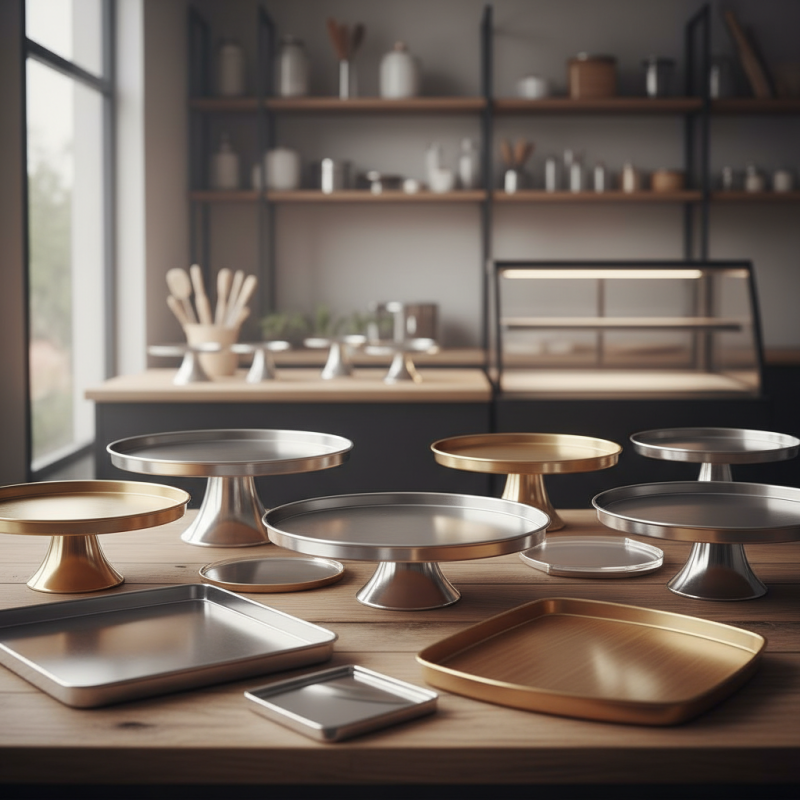
Choosing the right Cake Trays is crucial for your business. According to industry expert, Emily Baker, “The best cake trays enhance presentation and protect delicacies.” This insight underscores the significance of selecting appropriate trays.
In the bustling world of baking, cake trays serve more than just a functional purpose. They elevate your cakes, showcasing them beautifully while ensuring they remain intact. Each tray varies in shape, size, and material. A wrong choice can detract from your culinary creations.
Consider your specific needs. Will you transport the cakes? Are they for display or delivery? These questions guide your decision-making process. Balancing aesthetics and practicality is vital. The perfect Cake Trays will not only reflect your brand but also safeguard your artwork.
Understanding the Different Types of Cake Trays Available in the Market
When selecting cake trays for your business, understanding the different types available is vital. Research indicates that over 70% of bakery owners prioritize functionality when choosing trays. Each type serves unique purposes and caters to various cake styles, which can greatly impact your presentation and efficiency.
Common options include plastic, cardboard, and metal trays.
Plastic trays are lightweight and ideal for transport, while cardboard options are eco-friendly and suited for single-use scenarios. Metal trays, while heavier, provide durability and can be reused. Acknowledge that different cakes may require different materials. For example, heavy layer cakes may need robust support not offered by all tray types.
Tip: Always consider your specific needs. If you run a wedding cake business, metal trays can enhance elegance. For casual events, plastic or cardboard might suffice. It's important to regularly reassess your tray inventory to ensure that you're meeting client demands effectively. Stay updated on industry trends. Sometimes, less popular choices, like biodegradable options, can differentiate your brand in a competitive market. Experimenting with new types could be beneficial.
Factors to Consider When Choosing Cake Trays for Your Business
When selecting cake trays for your business, it’s crucial to assess several factors. The material of the trays is key. Common options include plastic, metal, and cardboard. Each material has its benefits and drawbacks. For instance, plastic is durable but may not convey a premium feel. Metal trays can add elegance but may be heavier. Cardboard trays are lightweight and eco-friendly yet less durable.
Size is another important consideration. Will you be displaying large cakes or small pastries? Measure your most common products to ensure a perfect fit. A tray that’s too small can lead to a messy presentation. A too-large tray may waste space and resources.
Tips: Always think about your target audience. What do they value in a presentation? Eco-conscious consumers may prefer sustainable materials. Additionally, color and design matter. Opt for trays that complement your brand.
Don't overlook durability and ease of cleaning. Often, businesses underestimate the number of trays that get damaged during transport. This can lead to unexpected costs. Reflect on how you plan to utilize these trays—are they meant for delivery or display? Each function demands different features.
Choosing the Right Cake Trays for Business Needs
This chart compares various factors to consider when selecting cake trays for your business. The considerations include material, size, price, and durability, which are essential for ensuring that your cake trays meet your operational and product quality needs.
Evaluating Material Options for Durability and Aesthetic Appeal
When selecting cake trays for your business, the choice of material is vital.
Durable materials ensure longevity and reduce costs. Plastic trays offer lightweight options and are often budget-friendly.
However, they can lack the elegance needed for special occasions.
Metal trays, on the other hand, bring a touch of sophistication. They are sturdy but may require careful handling to avoid dents and scratches.
Wooden trays provide natural aesthetics, appealing to customers seeking rustic vibes. Yet, they can absorb moisture and might warp over time.
Glass trays add a refined touch but are more fragile.
They demand extra caution during transport.
Each material has its strengths and weaknesses. Consider your target audience and the events you cater to when making a decision.
Durability matters, but so does aesthetic appeal. The right tray should enhance the presentation of your cakes, making them irresistible to customers.
Reflect on how your choice aligns with your brand image. What message does your selection convey? Balancing practicality and beauty can be challenging but essential for success.
Sizing and Design: How to Match Cake Trays with Your Products
Choosing the right cake trays for your business is more than just aesthetics; size and design play crucial roles.
When considering sizing, it’s essential to match the trays with the dimensions of your cakes. A tray that’s too small may leave your cake unprotected or cause it to topple.
On the other hand, a tray that's too large can make your presentation look unappealing. Consider the height and width of your products to ensure they fit snugly.
Design is equally important. A well-designed tray not only enhances the overall look but also reflects your brand's identity.
For instance, using elegant white trays can convey sophistication, while colorful, themed trays may resonate more with festive occasions.
Also, think about texture. A shiny finish can give a modern feel, while a matte surface may evoke a more rustic charm.
Consider potential mismatches—using a luxury tray for a casual cake may confuse customers.
Don’t overlook durability. Trays must handle both weight and transport without bending or breaking.
If your cakes are heavy, choose trays made from sturdy materials. Additionally, be mindful of stackability.
If you need to store or transport multiple trays, those that stack easily can save space and reduce stress.
Remember, even minor details can impact customer perception. Stay reflective about your choices and adapt as needed.
Budgeting and Cost-Efficiency in Cake Tray Selection for Your Business
When it comes to selecting cake trays for your business, budgeting and cost-efficiency are crucial. Identify your budget early on. This allows you to prioritize the features you need. Quality should never be compromised for cost. However, it’s essential to find a balance. Look for trays that offer durability at a reasonable price. Cheaper options often lead to losses from breakages and repairs.
Consider the volume of cakes your business produces. Larger trays may cost more upfront but can reduce the number of trips required during busy hours. Sometimes, investing in a higher quantity of less expensive trays can seem appealing. Yet, this may not always be wise. Frequent replacements can add up quickly. Reflect on your usage patterns and calculate the true cost over time.
It can be tempting to skimp on non-visible items. However, quality trays impact presentation and reputation. Unsightly or flimsy trays send the wrong message about your brand. Analyze your business needs. Choose trays that enhance efficiency without sacrificing quality. Investment in reliable trays pays off when they withstand the rigors of daily use, serving both your cakes and your bottom line.
Conclusion
Choosing the best cake trays for your business involves several critical considerations. First, it's essential to understand the various types of cake trays available in the market, as each serves different purposes based on your specific needs. Factors such as the material of the trays play a significant role in determining their durability and aesthetic appeal.
Furthermore, sizing and design are crucial for ensuring that the trays complement your products effectively. It’s also important to budget appropriately, balancing quality with cost-efficiency to maximize your investment. By carefully evaluating these aspects, you can select cake trays that not only enhance your presentation but also meet practical business requirements.
 AOTONG