In the world of baking, choosing the right materials is crucial. Among them, the **Mdf Cake Board** stands out. Expert baker Lisa Thornton emphasizes its importance: “An Mdf Cake Board provides sturdy support, ensuring your creations remain flawless.” This statement highlights its role in cake presentations and transporting baked goods.
The **Mdf Cake Board** is not just functional; it adds elegance to your desserts. Available in various shapes and sizes, it accommodates all types of cakes. However, it’s essential to select the right thickness and finish. Some bakers overlook these factors, which can lead to disappointing results. Your cake deserves the best support.
Moreover, while the **Mdf Cake Board** is reliable, it’s important to consider sustainability. Not all boards are created equal, and some may not be environmentally friendly. A thoughtful choice can reflect your baking principles. Balancing quality and responsibility is vital in this industry.
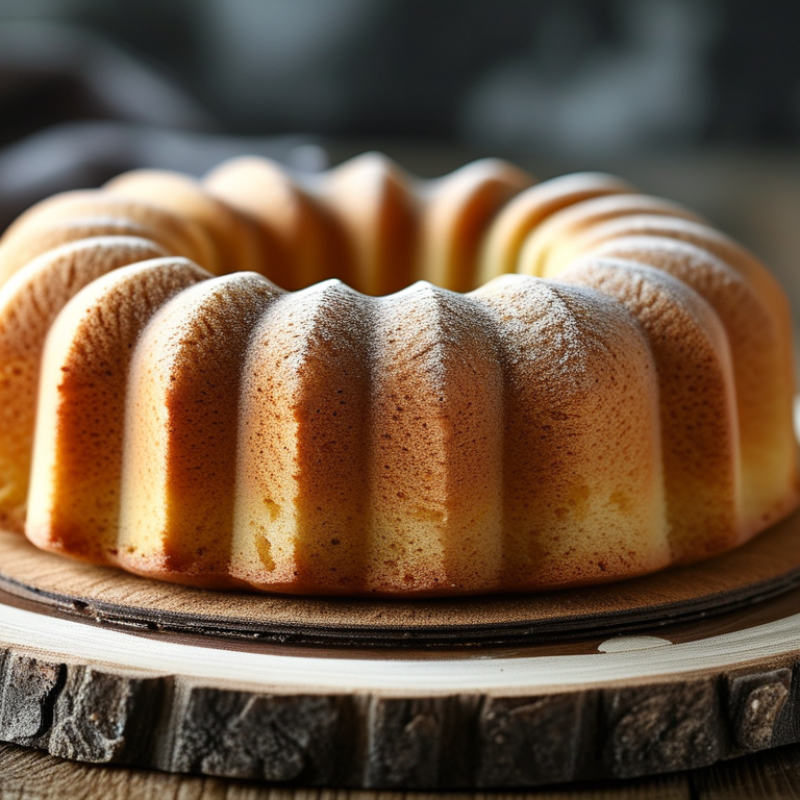
Understanding MDF Cake Boards: Composition and Features
MDF cake boards, or Medium Density Fiberboard cake boards, have gained popularity in baking. Made from wood fibers glued under heat and pressure, they offer durability. This composition ensures strength without the bulk. Bakers appreciate how these boards can bear the weight of heavy cakes and intricate designs.
One of the standout features of MDF boards is their smooth surface. This allows for easy decorating and minimal crumbs. The boards are also water-resistant, which means they can handle moist cake layers. However, not all MDF boards are created equal. Some might warp or absorb moisture, so it's essential to choose wisely.
Another consideration is weight. These boards can be heavier than other options. This might be a drawback for some who prefer lightweight alternatives. Yet, the strength provided by MDF often outweighs this concern. A balance between weight and stability can enhance your baking experience, leading to beautifully presented cakes.
Benefits of Using MDF Cake Boards for Baking and Decoration
MDF cake boards have become increasingly popular among bakers for various reasons. Crafted from medium-density fiberboard, these boards offer excellent strength and stability. According to a report by the International Association of Bakery Equipment Manufacturers, MDF boards retain their shape and structure under heavy cakes and decorations.
One primary benefit of using MDF boards is their smooth surface. This feature is essential for achieving a polished finish on cakes. A study by the Baking Industry Research Trust found that cakes presented on smooth surfaces are perceived as more professional, positively affecting customer satisfaction. Additionally, MDF boards are more affordable than traditional wooden boards, making them a cost-effective choice for both amateur and professional bakers.
Tips: When using MDF boards, opt for thicker styles to handle heavier cakes. Ensure you line the board with parchment paper for easy cleanup. Always check for any splinters on the board; a smooth finish is crucial for cake safety.
Though MDF boards excel in many areas, they may retain moisture, which can affect cake stability. Maintaining proper storage conditions is vital. Humidity can warp the board, leading to an uneven cake presentation. Regularly evaluate your baking tools to ensure the best results.
Comparing MDF Cake Boards with Alternative Baking Surfaces
MDF cake boards have gained popularity among bakers due to their sturdy build. Many bakers find that MDF boards provide superior support compared to traditional cardboard. According to industry reports, MDF boards can withstand over 50 pounds of weight when properly constructed. This makes them ideal for multi-tier cakes.
When comparing MDF boards to alternatives, durability is a critical factor. Cardboard may warp or sag when exposed to moisture. In contrast, MDF is moisture-resistant, ensuring a flat surface for cake decoration and transport. Additionally, while plastic boards are easy to clean, they may lack the aesthetic appeal that MDF offers. Bakers often prefer the natural, rustic look of MDF, enhancing the overall presentation.
However, using MDF boards isn't without concerns. They are heavier than cardboard options, which may pose challenges during transportation. Some bakers also note that MDF can be more difficult to cut or shape for custom designs. It's worth reflecting on the balance between durability and the practicality of use.
Why Choose MDF Cake Board for Your Baking Needs?
| Feature |
MDF Cake Board |
Alternative Baking Surfaces |
| Durability |
High durability, resistant to moisture and warping |
Varies; often less durable |
| Weight |
Lightweight yet sturdy |
Can be heavy and cumbersome |
| Cost |
Cost-effective option |
Often more expensive |
| Ease of Use |
Easy to handle with cakes |
May be more difficult to maneuver |
| Presentation |
Professional appearance |
Varies by material |
Best Practices for Caring for and Maintaining MDF Cake Boards
MDF cake boards offer a sturdy and reliable foundation for your baked creations. However, proper care is crucial to maximize their lifespan and maintain hygiene. Regular cleaning is vital. Wipe down your boards after each use with a damp cloth. Avoid soaking them, as prolonged exposure to moisture can warp the material.
To ensure their robustness, consider applying a food-safe sealer. A study by the Association of Baking Professionals indicates that sealed surfaces can reduce contamination risks significantly. Always store your MDF boards in a cool, dry place. High humidity and heat can lead to damage over time.
Inspect your boards for signs of wear, such as cracks or warping. These imperfections can affect cake stability. It’s easy to overlook, but ignoring these details may lead to unfortunate mishaps during baking presentations. Being aware of these aspects can help ensure your baking experience remains enjoyable and safe.
Choosing the Right Size and Thickness for Your Cake Needs
When selecting an MDF cake board, size and thickness are crucial. The right cake board supports your baked creations and impacts the overall presentation. Industry guidelines suggest that for a standard 8-inch cake, a 1/4 inch thick board is sufficient. However, thicker boards may be necessary for larger cakes or tiers. For instance, a 12-inch cake often requires a 1/2 inch thickness to ensure stability.
Understanding the dimensions is not solely about aesthetics. A well-chosen board enhances the stability and ease of handling. Research indicates that cakes are more likely to collapse when placed on inadequate supports. An unstable board leads to uneven surfaces, which can ruin the cake’s design. Many bakers experience this frustration, particularly during transport.
Choosing the right size also involves measuring your cake's actual diameter and height. An undersized board can create issues, such as cakes slipping off. Moreover, not every style fits every board. It’s essential to avoid assumptions and evaluate your needs carefully. Reflecting on these details can significantly improve your baking outcomes. The right MDF board is fundamental to achieving a professional finish.
Why Choose MDF Cake Board for Your Baking Needs?
FAQS
: MDF cake boards are sturdy baking surfaces made from medium-density fiberboard. They provide excellent support for cakes.
MDF boards offer superior durability and moisture resistance, preventing warping and sagging when exposed to humidity.
Yes, properly constructed MDF boards can support over 50 pounds, making them ideal for multi-tier cakes.
Wipe MDF boards with a damp cloth after each use. Avoid soaking them in water to prevent warping.
Yes, applying a food-safe sealer is recommended. It reduces contamination risks and extends the life of the boards.
MDF boards are heavier than cardboard and can be harder to cut into custom shapes for unique designs.
Keep them in a cool, dry place. High humidity and heat can cause damage over time.
Regularly check for cracks or warping. Small issues can lead to larger problems during cake presentations.
Proper care maximizes their lifespan and maintains hygiene, which is crucial for safe baking practices.
Overlooking wear and damage can lead to stability issues, causing mishaps in your baking presentations.
Conclusion
MDF Cake Boards are a popular choice among bakers due to their unique composition and features. Made from medium-density fiberboard, these boards offer a sturdy and smooth surface that is perfect for both baking and decorative purposes. The benefits of using MDF Cake Boards include their durability, lightweight nature, and versatility, making them an ideal surface for various cake designs and presentations.
When comparing MDF Cake Boards to alternative baking surfaces, they often outperform in terms of stability and ease of use. Proper care and maintenance can prolong the lifespan of these boards, ensuring they remain a reliable tool in the kitchen. Additionally, choosing the right size and thickness is essential, as it affects the overall support and aesthetics of the cakes. Overall, MDF Cake Boards are a smart investment for anyone serious about baking and cake decoration.
 AOTONG
