 AOTONG
What is the Best Pastry Box for Your Bakery Needs?
When it comes to running a bakery, choosing the right packaging is essential. The perfect "Pastry Box" not only protects your creations but also enhances their presentation. It reflects the quality of your baked goods. A well-chosen pastry box can attract customers and boost sales.
Bakery owners often overlook this aspect. They might choose generic boxes that do not align with their brand. Custom boxes, on the other hand, can create a memorable experience for customers. The right size, design, and material play a significant role in showcasing your pastries.
Investing in the right pastry box is not just about aesthetics. It’s also about functionality. Some materials can impact the freshness of your products. Think about how you want your pastries to be perceived. Reflecting on these details can lead to better customer satisfaction and loyalty.
Types of Pastry Boxes: A Comprehensive Overview for Bakeries
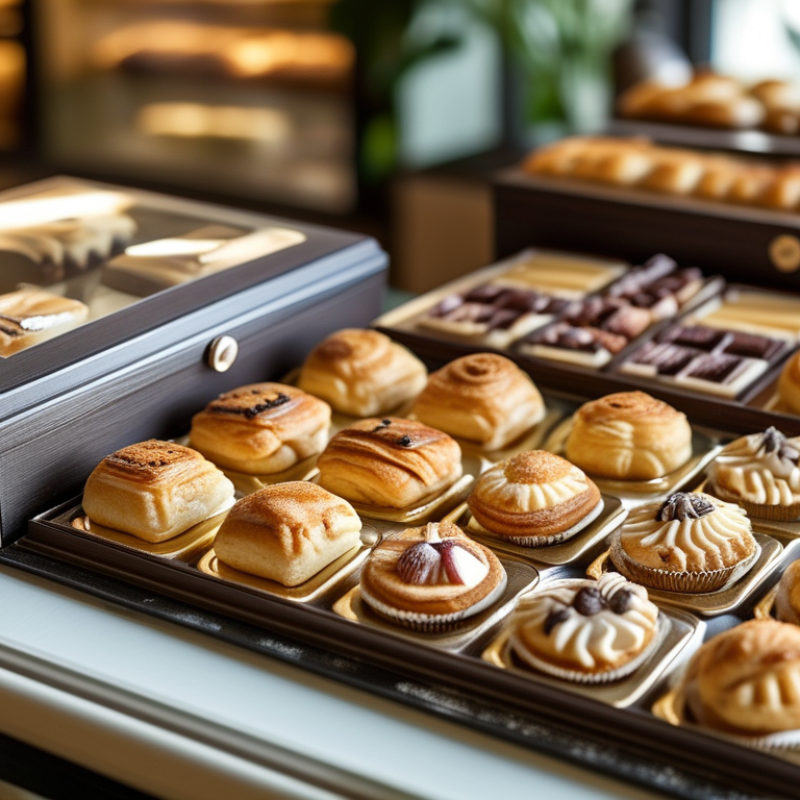
When selecting the right pastry box for your bakery, it’s essential to consider various types. Each design serves a specific purpose, catering to different pastry styles and customer needs. For instance, windowed boxes allow customers to see the treats inside, enhancing their appeal. Clear plastic boxes protect delicate pastries while showcasing their beauty. These designs make an instant impact.
Then, there are the traditional kraft boxes. They are sturdy, eco-friendly, and great for showcasing rustic baked goods. Their natural look resonates with many consumers seeking sustainable choices. A downside? They may not always hold moisture well. This could affect certain pastries like cream-filled éclairs.
Cake boxes, on the other hand, are designed for structured items. These are essential when transporting multi-tiered cakes. They provide stability and protection during transit. However, they can take up significant storage space. Choose pastry boxes according to your specific needs. Reflect on what your bakery offers, and how these boxes can enhance customer experience.
What is the Best Pastry Box for Your Bakery Needs? - Types of Pastry Boxes: A Comprehensive Overview for Bakeries
| Type of Pastry Box | Material | Size (inches) | Features | Best For |
|---|---|---|---|---|
| Single-layer Box | Cardboard | 8 x 8 | Easy to assemble, cost-effective | Cookies, Cupcakes |
| Window Box | Kraft Paper | 10 x 10 | Viewable design, eco-friendly | Pastries, Cookies |
| Multi-layer Cake Box | Cardboard | 12 x 12 x 12 | Sturdy, holds multiple tiers | Birthday Cakes, Wedding Cakes |
| Pie Box | Cardboard | 9 x 9 x 3 | Ventilated lid, sturdy | Pies, Tarts |
| Macaron Box | Plastic | 5 x 5 x 2 | Individual slots, elegant design | Macarons |
FAQS
: Bakeries can choose from windowed boxes, kraft boxes, cake boxes, and more. Each serves a specific purpose.
They allow customers to see the baked goods inside, increasing visual appeal and encouraging purchases.
Each pastry type requires different designs. Consider size, shape, and materials that match the pastry's characteristics.
Kraft boxes are sturdy and eco-friendly. However, they may not hold moisture well for certain pastries.
Bakeries can use biodegradable boxes made from recycled materials. Integrating compostable options can reduce waste.
It helps ensure box designs meet practical needs and customer preferences, enhancing the overall experience.
Some stylish boxes may lack durability or structure, which can compromise product protection during transit.
The choice of packaging can showcase a commitment to sustainability, appealing to environmentally conscious customers.
Avoid designs that waste materials, as excess packaging can increase costs and harm the environment.
Investing in eco-friendly options may require effort but often leads to long-term customer loyalty and trust.
Conclusion
Choosing the right pastry box is crucial for bakeries to ensure the optimal presentation and protection of their products. In the article, various types of pastry boxes are explored, highlighting the importance of selecting boxes that align with the specific needs of different pastries. Factors such as size, design, and material significantly influence functionality and aesthetics, with each option having its own pros and cons. Additionally, sustainability is addressed, offering eco-friendly packaging options that appeal to environmentally-conscious consumers.
Ultimately, understanding these aspects can help bakeries make informed decisions about their pastry box selections. By considering design variations and materials, bakers can not only enhance the visual appeal of their offerings but also contribute to a more sustainable future in the bakery industry.
