 AOTONG
Best Paper Cake Boards for Perfect Baking Results?
In the world of baking, the importance of using high-quality Paper Cake Boards cannot be overstated. A recent report from the Baking Industry Association highlights that 70% of bakers attribute their success to proper support for their cakes. These boards provide a stable base, ensuring that cakes maintain their shape during transportation. “Choosing the right board can make or break your cake presentation,” says Sarah Thompson, a renowned baking expert.
However, not all Paper Cake Boards are created equal. Bakers often struggle with options that don't provide adequate support or durability. Many boards may buckle under weight or become soggy. This can lead to frustration and subpar results. It’s crucial to assess materials and size before making a purchase. Proper knowledge about different types of Paper Cake Boards is essential for achieving perfect baking results.
Investing in the right cake board is a step many overlook. Yet, it can greatly enhance the visual appeal and stability of baked goods. A careful selection can lead to impressive displays that catch the eye. Thus, aspiring bakers should take the time to research and choose wisely.
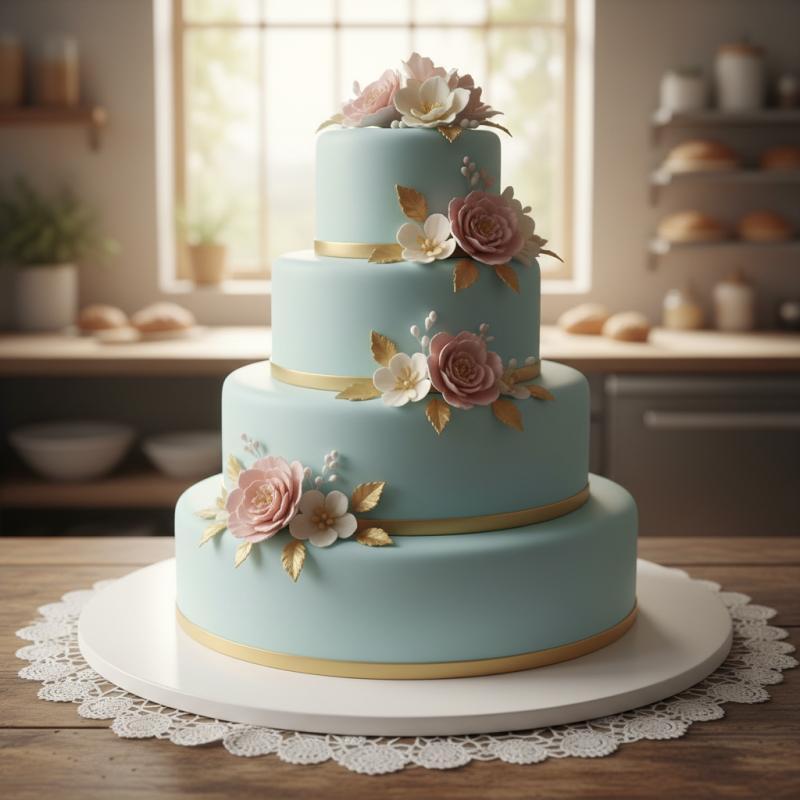
Types of Paper Cake Boards and Their Uses in Baking
When it comes to baking, the right tools can make a world of difference. Paper cake boards are essential for both presentation and support. They come in various types, each suiting different baking needs. The most common types include corrugated boards, single-layer boards, and specialty boards. Each has its unique advantages in terms of durability and design appeal.
Corrugated boards provide excellent strength, making them ideal for multi-tiered cakes. They can handle significant weight and are less likely to bend or break under pressure. On the other hand, single-layer boards are lightweight and perfect for simple cakes. They can be used for cupcakes too, but they lack the rigidity of corrugated options. Specialty boards, with designs and prints, add flair to any cake, but they might not support heavier baked goods as well.
While using any paper board, it’s essential to be thoughtful. Sometimes, a board may not be as sturdy as expected. Testing the board with the cake before the big event can prevent potential mishaps. Each type of paper cake board has its place, but your selection should align with the specific cake design and its weight. This way, you ensure beautiful and stable presentation.
FAQS
: Select boards slightly larger than your cake's diameter. This ensures stability and makes handling easier.
Thicker boards support heavier cakes effectively. They prevent bending and maintain the cake's structure during transport.
Opt for greaseproof materials to prevent moisture damage. Eco-friendly options are also great for conscious bakers.
Use the correct board size and avoid heavy handling. Ensure your board is clean and dry before placing your cake.
If a board bends or tears, it can ruin presentation. Experiment with various types to find durable options that work.
Wipe boards gently with a damp cloth. Avoid soaking them in water to prevent weakening the paper.
Keep them in a cool, dry place to avoid warping. Regularly inspect for discoloration or damage, and replace if needed.
Remove excess crumbs from the board before frosting. This will help achieve a smooth finish.
Avoid stacking without dowels. Dowels provide necessary support to prevent upper layers from collapsing.
If discoloration occurs from frosting or spills, consider replacing the board. A healthy board leads to better baking outcomes.
Conclusion
Paper cake boards are essential tools for achieving perfect baking results, offering a sturdy base for cakes and pastries. This article explores various types of paper cake boards, highlighting their specific uses in different baking scenarios. When selecting the right board, factors such as size, thickness, and material quality are crucial to ensure stability and support.
Proper usage techniques, including how to place and remove cakes from the boards, are discussed to help bakers avoid common pitfalls. Additionally, maintaining the cleanliness and longevity of paper cake boards is key to ensuring they remain effective for future baking projects. Lastly, the article provides creative tips for decorating cakes on these boards to enhance presentation, making your baked goods not only delicious but visually appealing as well.
