In the world of baking, choosing the right Cake Boards can significantly elevate your creations. Renowned baking expert, Sarah Johnson, once said, “The right foundation makes all the difference in cake artistry.” This insight emphasizes the importance of selecting quality materials that cater to diverse baking needs.
As we look into 2026, various options for Cake Boards will emerge, each serving unique purposes. Whether you're crafting a simple birthday cake or an elaborate wedding masterpiece, the right board offers stability and presentation. The range includes traditional cardboard, sturdy wooden boards, and even eco-friendly alternatives.
Choosing the perfect Cake Board is not always straightforward. Factors like weight, size, and ease of use come into play. It's essential to reflect on how each choice impacts your baking experience. Every baker’s journey is personal, and the right Cake Board can either enhance or complicate that process.
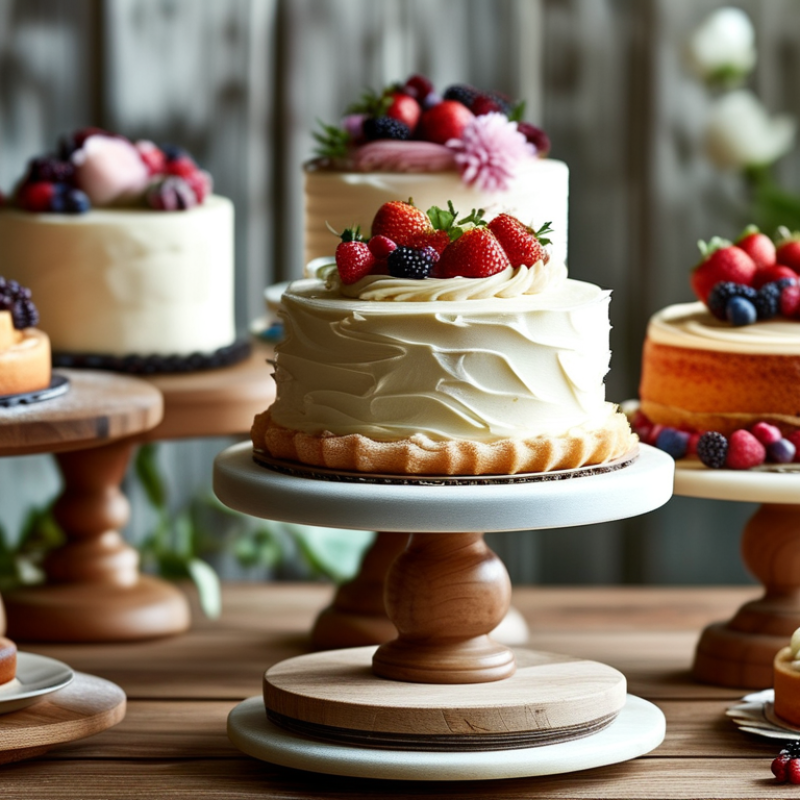
When choosing the best materials for cake boards in 2026, several factors come into play. Cardboard remains a popular choice due to its affordability and lightweight nature. According to industry reports, over 40% of bakers prefer cardboard for casual baking. However, it may not provide the strength needed for heavier cakes, creating a potential issue for more elaborate designs.
Wooden boards are gaining traction, with their robust sturdiness making them ideal for multilayer cakes. Reports show that 30% of professional bakers now use wooden options, appreciating their durability and ability to add a rustic charm to presentations. Despite this, wooden boards can be harder to clean and may not be suitable for every occasion. Maintenance becomes a key concern in this case.
Plastic cake boards are emerging as a reliable alternative. They are reusable, easy to clean, and resistant to moisture. However, there is a debate about their environmental impact. While they can handle heavy cakes, some bakers reflect on the trade-off between convenience and sustainability. The ideal choice will depend on personal preferences and specific baking needs. Balancing functionality and environmental considerations is essential for a responsible baking environment.
Selecting the right size of cake boards is crucial for any baking project. The size of your cake determines the board size you need. For example, an 8-inch round cake typically requires a 10-inch board. This gives it some extra room and stability. If you choose a board that's too small, your cake might tip over or crack.
Another aspect to consider is the cake's tiers. Multi-tiered cakes need larger boards to support weight. A sturdy base helps keep everything intact. Additionally, if you plan to transport your cake, opt for a heavier board. Lightweight options might bend, causing a disaster.
When in doubt, measure twice before you cut. This simple step can save you time and ingredients. Also, keep in mind that some cakes, like fondant-covered ones, may require extra support. Always choose boards that offer the strength for your specific baking needs. Don’t rush the process. Every cake project is a learning experience, and oversights can lead to better future creations.
When it comes to baking, choosing the right cake board is crucial. It serves as the foundation for your creations. In 2022, a survey found that over 75% of professional bakers believe high-quality boards enhance presentation. They provide support and stability, ensuring that your cakes arrive intact. Investing in the right cake board can make a noticeable difference in your baking experience.
In 2026, several brands stand out for their durability and versatility. One report indicated that cake boards made from corrugated cardboard show a 30% increase in sturdiness compared to standard options. Additionally, eco-friendly materials have gained popularity. Many bakers now prioritize sustainability in their choices. Brands that focus on biodegradable products cater to this growing demand.
A common challenge faced by bakers is the durability of their boards under heavy cakes. Some brands fall short, leading to frustrating mishaps. It's essential to consider the weight capacity of different boards. Choosing a reliable brand can prevent disasters, but no board is infallible. The right choice often comes down to personal preference and specific needs. Each baking project may call for a different solution, which is worth exploring.
When selecting cake boards in 2026, focus on innovative features that enhance functionality. Consider materials like eco-friendly options that offer both durability and sustainability. Choices such as double-sided boards can provide versatility for presenting cakes on both sides. Textured surfaces can also add a unique touch while improving grip during transfers.
Choosing the right thickness is crucial. Thicker boards can support layered cakes better. Look for options with a sturdy base, as they prevent bending under heavy treats. Weight matters; lightweight boards are easier to handle, but ensure they are strong enough for larger cakes.
Keep usability in mind. Some boards include built-in lifting handles. These can simplify the process of moving cakes. Waterproof coatings can protect them from moisture damage, ensuring a fresh appearance. Always think about how these features will meet your specific baking needs. Experimenting with different options can lead to surprising and beneficial results.
| Type | Material | Size (inches) | Weight Capacity (lbs) | Innovative Features |
|---|---|---|---|---|
| Round Cake Board | Cardboard | 8 | 10 | Eco-friendly coating |
| Square Cake Board | Plastic | 10 | 15 | Reusable and washable |
| Luxury Gold Foil Board | Foam | 12 | 20 | Decorative finish for elegant presentation |
| Heavy-Duty Cake Board | Wood | 16 | 50 | High strength for multi-tier cakes |
| Mini Cake Board | Cardboard | 6 | 5 | Perfect for cupcakes and small desserts |
In the current baking trend, eco-friendly cake boards are gaining traction among environmentally conscious bakers. According to recent industry reports, over 30% of consumers prioritize sustainability in their baking supplies. This shift signifies a growing demand for products that are not only functional but also gentle on our planet.
Baking with sustainable cake boards contributes to reducing waste. Many options are made from recycled materials or biodegradable substances. However, it’s crucial to ensure these boards can stand up to various cake weights and moisture. Each baker should consider the type of cakes they make. Studies show that boards made of sugarcane or bamboo are sturdy and environmentally friendly, making them ideal for heavier creations.
When selecting cake boards, think about your specific needs. Is heat resistance a factor? Some boards may bend under heat but are compostable. Always test a few options to determine the best fit for your baking style. Remember, using sustainable materials doesn’t mean sacrificing quality. Consider exploring different textures and finishes to find what suits your aesthetic. Balancing eco-friendliness and utility might require some trial and error, but the effort is worth it.
: Cardboard remains the most popular due to its affordability and lightweight nature.
Yes, wooden boards are robust and ideal for multilayer cakes, offering durability and a rustic appeal.
Plastic boards are reusable, easy to clean, and handle heavy cakes well, but environmental impact is a concern.
The board should be larger than the cake. For an 8-inch cake, use a 10-inch board for stability.
Yes, heavier cakes need sturdier boards. Lightweight boards might bend during transport, risking damage.
Measure twice before cutting the board. This can help avoid mistakes and save time on your baking project.
Not necessarily. Some may need additional support. Choose boards that can handle the specific demands of your cake.
Look for durability, weight capacity, and whether the material is eco-friendly. Personal preferences also play a role.
Yes, some boards fail under heavy cakes, causing mishaps. It's essential to choose wisely to avoid frustration.
Every baking project is a learning opportunity. Mistakes lead to better future decisions about materials and techniques.
In 2026, choosing the best cake boards for your baking projects requires careful consideration of various factors. Firstly, understanding the best materials available is crucial, as they can significantly impact the stability and presentation of your cakes. Additionally, selecting the right size of cake boards is essential to accommodate your creations properly, ensuring they fit well and maintain their structure during transport and display.
Moreover, innovative features are emerging in the market, and bakers should look for unique functionalities that enhance usability and convenience. With environmental concerns on the rise, eco-friendly cake boards are becoming increasingly popular, offering sustainable options for conscientious bakers. By considering these aspects, bakers can make informed decisions when investing in cake boards that meet their diverse needs.

AOTONG